
When tooth loss leads patients to turn to traditional replacement methods, such as dentures and dental bridges, they become frustrated by the difficulties they encounter over time. From teeth slipping while eating to ill-fitting prosthetics causing discomfort, the desire for something more permanent grows stronger. With dental implants, individuals can achieve a more stable, longer-lasting set of teeth, improving confidence, oral health, and quality of life.
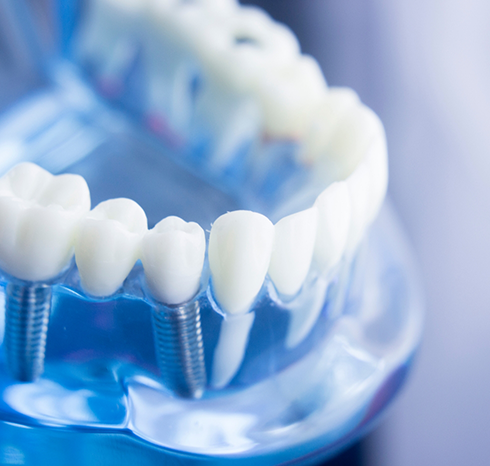
Dental implants are a superior solution for tooth replacement that rebuilds the roots and crowns of missing teeth to create a stable, natural-looking smile. Titanium prosthetics that anchor to the jawbone and mimic natural tooth roots provide a more complete smile restoration than artificial options that rest only on the gums. Dental implants are highly versatile and can replace a single missing tooth, multiple teeth along an arch, or full upper and lower rows. They are considered the gold standard of tooth replacement among dental professionals for a reason.

There are two types of dental implant procedures: immediate and delayed placement. You and your dentist can discuss which option is right for you during your scheduled consultation.
If you are cleared to receive an immediate-placement implant, Dr. Ricci will extract the damaged tooth before inserting a dental implant into the socket immediately after. Depending on your case, you may be able to receive a dental crown on the same day, so you can begin using and enjoying your fully restored smile right away. If a delayed-placement implant is what is required, you can expect to wait longer to achieve results. After a tooth is extracted, you will need to wait several months before receiving your dental implant. This will allow ample time for the bone to heal before your new tooth is placed.
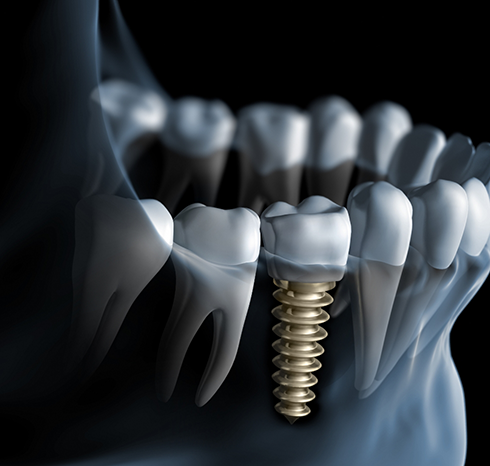
Dental implants look like small screws but are crafted primarily from titanium. They are compatible with human bone and tissues, so they integrate without issue. Patients who are concerned about using this material need not worry, as the risk of an allergic reaction is slim. When placing implants, Dr. Ricci uses local anesthesia to numb the mouth before positioning each one into its designated area of the jawbone. Small metal abutments are then placed on top of the implants, creating a more secure attachment for the custom restoration that will eventually sit on top.

It is common to experience minor soreness and swelling after dental implant surgery; however, this should not hinder your ability to complete your daily tasks. Although they are artificial, they still require proper maintenance, much in the same way your natural teeth do. You will need to continue brushing, flossing, and rinsing multiple times a day and visit your dentist every six months for regular dental checkups and cleanings. If you do not maintain your oral hygiene and keep up with your biannual visits, your dental implants could fail.
Wisdom Tooth Extractions IV Sedation Tooth Extractions Infection Control & Sterilization View Our Services
