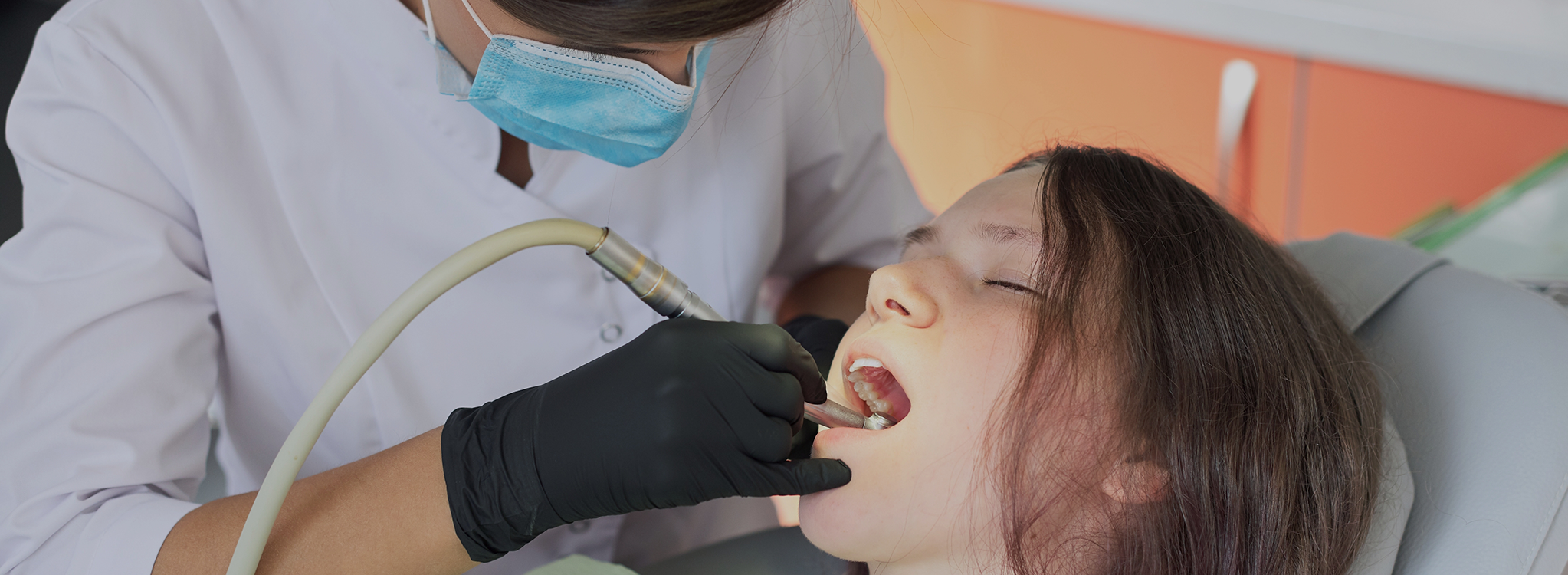
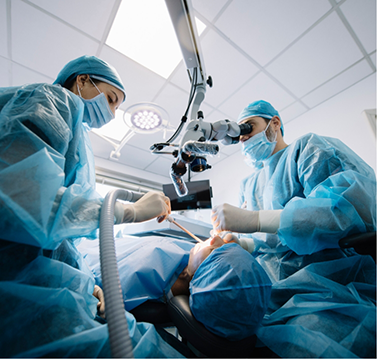
Keeping you comfortable during your procedure is a priority. This is why Dr. Ricci offers IV (conscious) sedation to ensure you feel no pain or anxiety while in the treatment chair. You may enter a deep state of relaxation, but you will not be unconscious. Instead, you will remain aware enough to respond to necessary cues from Dr. Ricci and our team. If you want to learn more about how we use this sedation method to deliver a positive patient experience, keep reading.
Conscious IV Sedation Defined
IV (intravenous) sedation is also referred to as “conscious sedation,” and is administered through an IV so that the medication enters the bloodstream and produces fast-acting effects. Stronger than other forms of sedation (i.e., nitrous oxide, oral sedation), it is designed to reduce anxiety and ensure you are unbothered by the dental work being administered. You are likely to enter a more relaxed state during treatment, which will allow Dr. Ricci to work more efficiently. Although you will remain conscious enough to respond to questions or cues, you will likely recall little, if any, of your appointment.
Vitals & Safety Protocols
Our dental team will remain by your side throughout the procedure, closely monitoring your vitals. Based on your oxygen saturation, heart rate, blood pressure, and other factors, we will adjust the dosage if needed. Once Dr. Ricci is finished with treatment, it will take time for the effects of IV sedation to wear off. This is why you will need a family member or friend to escort you home. It is recommended that the individual remain with you to ensure your safety and that you get plenty of rest, allowing the side effects to wear off over time.
What To Do Before Receiving IV Sedation
Once it is decided that you will receive IV sedation on the day of your procedure, we will make sure you have the necessary instructions to properly prepare. Some of the things you can expect to do beforehand include:
-
Present a list of your current medications to our team on the day of your appointment.
-
Avoid eating or drinking anything at least six hours before your procedure. This will reduce your chances of becoming nauseous afterward.
-
Make sure you have a family member or friend who can take you to your appointment, drive you home, and remain with you until the sedation’s effects fully wear off.
Local Anesthesia
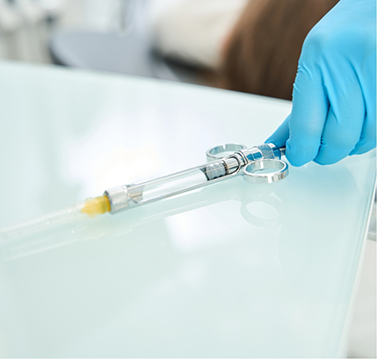
When undergoing any dental procedure, you can expect to receive local anesthesia. This is used to numb your mouth so that you feel no pain during treatment. When injected, it temporarily stops the nerves within your teeth from transmitting signals that normally cause discomfort. Local anesthesia can be and is often used in combination with conscious sedation methods to create a more relaxed and patient-friendly dental experience.
Nitrous Oxide
As the mildest form of sedation available, nitrous oxide, also referred to as laughing gas, can be used in addition to IV sedation. Administered through a nasal mask that is placed over your nose, you are instructed to inhale, which causes the odorless gas to begin taking effect. For those who struggle with mild anxiety, nitrous oxide can “take the edge off” so that treatment causes less stress. One of its many benefits is that, once the mask is removed, the effects dissipate almost immediately after breathing pure oxygen.
IV Sedation FAQs
What kind of benefits come with IV sedation?
If you are unsure whether you should receive IV sedation on the day of your procedure, consider the following benefits:
-
You will experience relaxation and greater comfort while in the treatment chair.
-
You will have virtually no memory of your appointment, which can be a welcome relief if you struggle with severe dental anxiety.
-
You will remain unbothered by the events occurring around you.
-
You will enjoy better oral health because you can receive essential treatment in a more comfortable environment.
Should I expect to feel any discomfort when receiving IV sedation?
It is normal to feel uneasy about receiving IV sedation, especially since it requires the use of a needle. The good news is that most individuals claim to feel no discomfort during the process; however, if you have concerns or experience anxiety when it comes to needles, let us know. We will make sure you remain comfortable from the moment you sit down in the treatment chair.
Who is a good candidate for IV sedation?
You may not know if you are a good candidate for IV sedation; however, if you can relate to any of the following attributes, there is a high probability that you will benefit from this sedation method:
-
You are preparing to undergo a complex, lengthy procedure.
-
You have a sensitive or strong gag reflex.
-
You have serious dental anxiety.
-
You dislike the sights, sounds, and smells of a dental office.
-
You cannot handle any pain well.
How safe is IV sedation?
Most importantly, IV sedation is safe when administered by a skilled, expertly trained professional. Milder solutions, such as nitrous oxide, are available from most dentists; however, stronger, more complex options, such as IV sedation, require specialized training. This is why you can trust Dr. Ricci to ensure your safety and comfort while providing this type of sedation.
How likely am I to remember my appointment details?
You will be pleased to learn that with IV sedation, you are unlikely to remember anything from your appointment. If you dislike visiting the dentist’s office for any treatment, IV sedation will make the process less stressful and ultimately more successful.