If you want to experience swift healing and a faster recovery, make sure to follow the post-op oral surgery instructions. These will be presented to your caregiver on the day of your appointment, but you can review them beforehand to be fully prepared. Below are some tips to make this phase of treatment easier.
What to Expect
-
It is normal for your surgical wound to bleed for the first 12-24 hours.
-
After sedation and anesthesia wear off, you can expect to feel discomfort, which can last 2-3 days before it begins to dissipate.
-
Do not be alarmed if you notice swelling, as this is normal. Days 2 and 3 should be the worst of it, with it beginning to diminish by Day 5.
Immediate Post-Surgery Instructions
Immediately following your surgery, it can be helpful to know what is normal so that you do not begin to panic. You should expect:
-
To avoid any physical activity and not drive a car for at least 24 hours. Instead, you should plan to rest for the first 1 to 2 days.
-
To eat a liquid or soft diet for several weeks. This includes eating warm soup, mashed potatoes, yogurt, pudding, smoothies, etc.
-
To experience some mild to moderate discomfort that can be managed with an over-the-counter pain reliever (i.e., Ibuprofen). If your dentist prescribes pain medication, make sure to take it as instructed.
-
Not to smoke for at least two weeks after your procedure.
-
Your mouth may be swollen; however, you can use a cold compress on the day of your procedure to reduce swelling. The general rule of thumb is 20 minutes on, 20 minutes off.
-
To experience bleeding, which will require you to maintain pressure by biting down on clean gauze for at least 30 minutes. You will continue this process until it ceases. To avoid excessive bleeding, keep your head elevated and get plenty of rest. Also, don’t suck through a straw or spit.
The Days After Surgery
After making it through the first 24 hours after surgery, you can begin to incorporate other aftercare tips, such as:
-
Making sure to take proper care of your oral health, but being careful about brushing around the surgical areas.
-
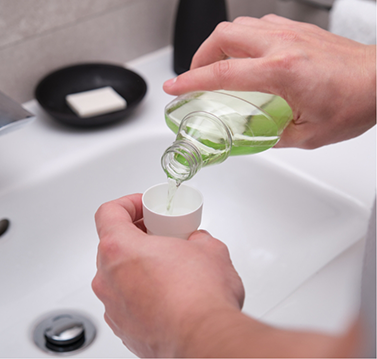
Rinsing your mouth with a prescription mouthwash after 24 hours has passed. You can do this three times a day for a week to flush out harmful bacteria and keep your surgical wounds clean.
-
Taking all of the prescribed antibiotics your dentist provides.
-
Using a warm, wet washcloth on your face to reduce swelling.
-
Visiting your dentist’s office 5 to 7 days after your procedure to receive irrigation instructions. This is very important!
A few things you should keep in mind are that any sutures will eventually dissolve and not require removal. Also, a potential complication to watch out for is dry socket, a delayed-healing response. It commonly causes pain but can range in severity. If one develops, make sure to contact Dr. Ricci right away.
What Are Dry Sockets?
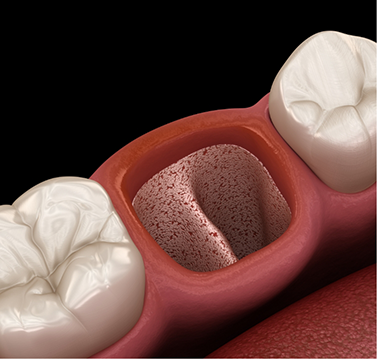
A dry socket is a condition that develops after surgery and can cause unnecessary pain. If one forms, it usually occurs within the first 1 to 3 days after treatment. What happens is the blood clot dislodges from the socket, exposing the nerves and causing significant discomfort. You may notice a throbbing pain around the soft oral tissue that radiates to your ear or jaw. To minimize pain, you can take the prescription medicine your dentist provides. If this does not help, Dr. Ricci can provide a medicated dressing to alleviate your discomfort.
Preventing Dry Sockets
If you follow the post-op instructions provided by our team, you should not develop a dry socket; however, if you want to take extra precautions, here are additional ways to reduce your risk:
-
Do not spit or swish vigorously while using mouthwash.
-
Do not use a straw to drink a beverage.
-
Stick to a soft or liquid diet for at least two weeks to avoid additional pressure on your socket.
-
Do not consume any alcoholic beverages or smoke.
-
Keep your oral hygiene in check, but do not brush aggressively.
-
Get plenty of rest and avoid physical activity for at least one week.
-
See your dentist 5 to 7 days after your appointment for a follow-up.
When to Contact the Doctor
If you notice any of the following issues, do not hesitate to contact your doctor for immediate help:
-
You cannot control the bleeding.
-
You are experiencing increased discomfort.
-
You notice your swelling is not dissipating but is instead spreading or increasing after 60 hours.
-
You are having an allergic reaction to a medication.
If you lose consciousness, the person who is with you should call 911 right away.